by L. R. Trovillion
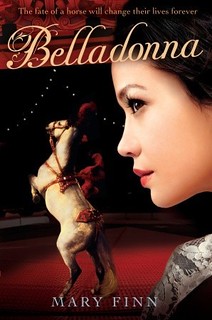
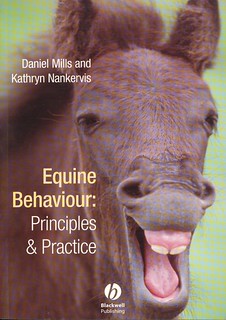
I have no idea why the old adage "Don't judge a book by its cover" has stuck around so long. Clearly, that's exactly what we all do initially. Okay, as a metaphor, you should not similarly judge a person by their outward appearance...but as for books, that is the first thing a potential reader will see and that reader will make any number of snap decisions based on the cover: is it intriguing, attractive, makes you want to know more... But the most important clue the cover imparts is this one: genre.
Let's agree that there are indeed certain types of covers that grace particular genres. Think for example of the romance novel. Whether historical romance, contemporary, or romantic suspense, they all share common elements. These may be a portrayal of hero/heroine in an embrace, in a pose of longing, or sometimes just in an outfit that suggests steaminess. Often there are lips or certain body parts featured. Enough on that. How about fantasy? I'm sure you are already conjuring up all sorts of starry images or hidden glens or fractured beams of light over a mysterious world. You get the point.
So what does an author do when she's told her cover (and her title) are not representative of Young Adult literature, her target demographic? That happened to me. I've been told the cover does not attract YA readers, it looks more like historical fiction, it is not clear what the story may be about...on and on. So, I decided to give a new cover for the ebook version a try. Now I have a new problem.
What should that cover look like and can I find a graphic artist who gets horses? After carefully explaining to the cover designer that the main character is a jumper rider and her horse is dappled grey and sending her a few representative pictures of what I thought she looked like, the poor woman picked out a dressage rider (but was savvy enough to check with me first if it was right). I can only imagine how insane we horse people must sound to an outsider explaining that no, eventers and hunters and dressage riders don't all wear the same outfits and the same tack and yes it makes a huge different to people who read these books. So, she may punt and go for a more abstract concept type cover. I told her as long as it wasn't a horse shoe or a show ribbon, try it out. Getting a cover for a horse book is a very difficult task. Or maybe I'm just picky.
So, with my crazed rambling guidance and some picture ideas, this poor creative soul is out there trying to come up with a horse concept cover knowing nothing about horses, hoping that it will satisfy her fussy "no-that's a flea-bitten not dapple gray" client, me. I have to trust in her artistic sense. I'm not very good with yielding control. So, stay tuned for the big, new cover reveal of False Gods!
http://amzn.to/2aBTxqu
Sunday, August 28, 2016
Wednesday, August 24, 2016
The Farm Detective
The everyday running of a horse farm is both exciting and
challenging. From the lawn tractor that won’t start (yet again) to the mare who
is mysteriously losing hair on her face, to the odd looking weed that has
suddenly sprouted in the center of the pasture, there is always at least one ongoing
mystery on the farm.
From creative thought to research to problem-solving, writing
is much like farm management. First, a problem, conflict, or potential threat
has to be identified. On the farm it might be swarming bees, a lame horse, or a
leaky barn roof. In writing, it could be a murder, a romantic triangle, or even
the loss of a job.
The research phase involves the writer understanding the
problem enough to explain it to readers, and offering a plausible resolution. It
also involves the characters taking steps to manage the problem, or methodically
gather information toward resolving the conflict. In the barn, research might
take the form of different sprays to get rid of the bees, an internet
search or a call to a local county extension agent to identify the unusual
weed, or palpation of a horse’s leg to identify the source of the lameness.
Finally, the character or the horse owner has enough
information to make a decision that will solve the problem. The decision might
involve some trial and error, but eventually a resolution is found. The weed
turns out to belong to an innocuous branch of the mint family, the lameness
stems from a sore hip, and the bees, well, spraying a mixture of vinegar and
water around the barn seems to deter them.
Unlike mystery books, however, farm-based mysteries usually
do not involve a murder. But the thinking process that goes into each really is
very similar, and I have found that creative problem-solving on the farm also allows
me to then create some interesting plot lines.
One recent challenge was how to secure the barrels for our new horse obstacle so they did not tip over. After much research about safety, and a few trial and error attempts, we ended up packing tires around the barrels to create a stable obstacle for our Colby's Army horses and riders to navigate.
Farm challenges can be frustrating, but if you begin to
think of them as a way to develop a book idea or a story line, maybe some of the frustration
will turn into creativity. This week I have dealt with the non-starting mower, a
mare’s facial hair loss, unwanted bees, a leaning barn support beam, an
electric fence that does not want to turn off, and a few other odds and ends.
What have your farm or writing challenges been recently?
––
Lisa Wysocky is a bestselling and award-winning author of fiction and nonfiction, including the Cat Enright equestrian mystery series,
now optioned for film and television. She is also a therapeutic riding
instructor who consults with PATH and other centers about their horse
herds. Find her at lisawysocky.com
Monday, August 8, 2016
The End Decision is Yours
by Christine
In late June I finished writing the first draft of my soon
to be released novel for adults, B and B. I have had an acquaintance
in Canada
read and edit it for me and have been thankful for his feedback. The majority of corrections and suggestions
he made, I took on.
It is so helpful to have another pair (or pairs!) of eyes go
over your work. They can point out
inconsistencies, spelling errors or grammatical errors. On top of this, they can let you know if your
story flows or in some spots, just doesn’t
make sense.
This feedback can only help you to improve your story as you
make corrections and adjustments. Some
things you may decide to leave as they are, despite a suggestion. As the author who self publishes, this is
completely your choice!
It was easy for me to take recommendations from this editor
– mainly because I agreed with where he was coming from.
When it came to the design of my cover, however, I found
myself struggling to take on others’ advice.
I designed one cover and just wasn’t happy with it. After sitting on the design for a few days, I
had an idea on how to change the cover and make it more appealing.
The end result was 5 different designs that I opted to put
onto my Facebook page in an album and see what people thought. I was so relieved when the majority liked the
1 that I thought would make my cover!
![]() |
| Belladonna has a Cover I Love! |
On top of this, I received feedback from an author that none
of the covers worked for her. An auntie
commented that she didn’t like them either and my husband, well, he’s always
brutally honest with me!
So suddenly for a cover that I thought had been picked by
the majority as the best, perhaps it was just the least unappealing? Whether
an eBook or a paperback, a book cover draws in readers. I read the blurb to see if I want to read a
story, but a good cover can really draw me in.
What book cover has most caught your attention?
Saturday, July 30, 2016
Run Your Own Race
by L. R. Trovillion
Today was as humid as a greenhouse here in the Mid Atlantic, even in the morning when I decided to go for a run. Understand, I am not a long distance runner or rabid devotee--I just want to get fit. Towards the end of the session I was pleased to hear by Runkeeper tell me I ran much longer and farther than before, but before I could bask in the glow of my own accomplishments, a sinewy woman who probably weighed all of 95 pounds after a heavy meal, blew past me and motored up the steep hill ahead. I watched, aghast, as she tackled the climb as if she were riding an escalator. Meanwhile, I was chugging like a steam engine pulling twenty cars loaded with coal. I had to break to a walk. So, of course, I immediately got to comparing myself with her. Why can't I do that? I resented her and wanted to be her at the same time. And that's what's wrong with me and a whole lot of other people. We look around, compare, find ourself lacking, and launch into any number of negative responses: quitting, tearing others down, making excuses, criticizing oneself. While all that is going on, what we really need to do is center ourselves and run our own race. That woman on the hill may have been running all her life, whereas I just started. Ultimately, it doesn't matter, because I was there to do what I needed to do and accomplish the times and distances I had set out for myself. And then I needed to celebrate those accomplishments. That last step is important, too.
The same thing happens in writing. How many of you out there have seen other writers zoom past you on the road to publishing, snagging an agent or signing a 3-book contract while you feel as if you're languishing on the by-roads. Have you felt jealousy, envy, resentment or even surprise to learn that another author is now wildly successful and his marketing campaign is raking in new readers by the thousands while your Amazon sales statistics are flatlined? Yeah, it's hard not to compare. That's what human beings do, but do it at your peril writer friends. We are all running our own, unique race and no two journeys are alike. So when you feel the breeze from that author running past you up the hill, do not despair. You don't know his journey, what he's done to get there, or how long he's been at it. Run your own race. Be the best runner, writer, rider--whatever-- you know how to be.
Today was as humid as a greenhouse here in the Mid Atlantic, even in the morning when I decided to go for a run. Understand, I am not a long distance runner or rabid devotee--I just want to get fit. Towards the end of the session I was pleased to hear by Runkeeper tell me I ran much longer and farther than before, but before I could bask in the glow of my own accomplishments, a sinewy woman who probably weighed all of 95 pounds after a heavy meal, blew past me and motored up the steep hill ahead. I watched, aghast, as she tackled the climb as if she were riding an escalator. Meanwhile, I was chugging like a steam engine pulling twenty cars loaded with coal. I had to break to a walk. So, of course, I immediately got to comparing myself with her. Why can't I do that? I resented her and wanted to be her at the same time. And that's what's wrong with me and a whole lot of other people. We look around, compare, find ourself lacking, and launch into any number of negative responses: quitting, tearing others down, making excuses, criticizing oneself. While all that is going on, what we really need to do is center ourselves and run our own race. That woman on the hill may have been running all her life, whereas I just started. Ultimately, it doesn't matter, because I was there to do what I needed to do and accomplish the times and distances I had set out for myself. And then I needed to celebrate those accomplishments. That last step is important, too.
The same thing happens in writing. How many of you out there have seen other writers zoom past you on the road to publishing, snagging an agent or signing a 3-book contract while you feel as if you're languishing on the by-roads. Have you felt jealousy, envy, resentment or even surprise to learn that another author is now wildly successful and his marketing campaign is raking in new readers by the thousands while your Amazon sales statistics are flatlined? Yeah, it's hard not to compare. That's what human beings do, but do it at your peril writer friends. We are all running our own, unique race and no two journeys are alike. So when you feel the breeze from that author running past you up the hill, do not despair. You don't know his journey, what he's done to get there, or how long he's been at it. Run your own race. Be the best runner, writer, rider--whatever-- you know how to be.
Wednesday, July 27, 2016
What I Wish I'd Known When I was Eleven
When I was young, all I could think about was horses. From the time I stole a tiny, plastic horse from the farm set at my nursery school (I was two), horses were my thing. After years of raking yards and many summers of lemonade stands I finally saved up enough to buy a pony when I was eleven. From there I moved up to an Appaloosa mare and began to compete. Since then I have trained, instructed, and shown successfully on a national level, although I sometimes feel my journey with horses is just beginning.
I have learned a few things over the years, however, so I
thought this might be a good time to share what I wish I’d known when I was
eleven. And, in reviewing this list, I found that it applies to books and writing, just as much as it does to a journey with horses.
1. It’s okay to ask questions. In fact, never miss an
opportunity to ask. It is the very best way to learn something that is
important to you. Ask more than one person, then compare answers to develop
your own opinion.
2. Set a goal, one that is doable. Your goal should not be
winning a class or writing a best seller, but more along the lines of improving your performance. You might not reach your goal,
but you will have learned something along the way. When you do reach a goal,
celebrate!
3. Prepare, then prepare some more. Think of every possible
scenario regarding your goal and walk yourself through all of
them, as best you can. Then do it again, and again.
4. As much as you can, read. Then read again, and discuss the ooks with others. There is
always something to learn.
5. Watch your horse and the people around you as he or she interacts with others. That is probably how the horse or human will try to interact with you. Then
adjust your demeanor accordingly. Some horses and people respond best to a soft voice,
others need firm, business-like directives. Make sure your horse and your friends are a good
match for you.
6. Always wear a helmet when you ride. Always. I have seen far too many
accidents, many at the walk and trot, to feel it is safe for anyone to ride
without one. (Okay, not much in common with books here, but it is important.)
7. Follow basic safety guidelines in all that you do. Most injuries happen out of carelessness. Keep your lead
rope from dragging on the ground, check your girth or cinch often, make sure
your equipment is in good condition. Constantly think the equine mantra: is
this safe?
8. Have fun, and try new things, such as a Dressage or barrel racing lesson, or reading a SciFi novel or a biography. It is important to expand your horizons in all that you do.
9. Make friends and encourage others. Then, your new friends
will encourage you, too. Remember that you do not compete against others, but
against your own best self.
10. It’s okay have a bad day. If you’re smart you will learn
something important, so smile and take time to digest what went wrong so you
can come back better and stronger the next day.
Just like you, I have learned so much more during my journey
with horses and books than just this. But I really, really
wish I’d known all of these things when I was eleven.
––
Lisa Wysocky is a bestselling and award-winning author of fiction and nonfiction, including the Cat Enright equestrian mystery series,
now optioned for film and television. She is also a therapeutic riding
instructor who consults with PATH and other centers about their horse
herds. Find her at lisawysocky.com
Monday, July 25, 2016
A Final Letter to my Old Man, TC
I’m not sure when the story started – early on in these 8 years we’ve shared perhaps – that in your final moments, a blissful peace would sweep over you as you lay down in the sunshine, and in the next moment, you are running as fast as your hooves can carry you across the rainbow bridge. I would find you in the pasture, looking relaxed and asleep, the wear and tear of this world left behind. Your soul at peace. This is what we all wished for you.
You’ve always been healthy, even for a gelding of your age and history. Sure, you choked on grain that one time, and you aspirated it on that other occasion, but between the vet’s knowledge and drugs, my checkbook and your strong will, we beat them all. Even when you gas colicked this past winter. It was a rough one, but you pulled through.
This Spring seemed like business as usual. I was quite amused as you gingerly trotted through the pasture, picking up a jaunty canter when you felt sure-footed. I kept thinking about how lucky I was to have found the magical combination of feed and exercise that kept you healthy and your eyes sparkling. You were voraciously hungry, you were drinking more than ever and you were even a tad round.
And then this crazy Upstate New York Summer weather happened. 90’s and humid during the day. 50’s and 60’s at night. You were sweating more than you had in the past three years. Fourth of July weekend you stopped eating grain altogether. You acted uncomfortable for days, despite vet visits and medications. Suddenly, after 35 years of riding, driving, showing, and trails, you had developed laminitis. I was beside myself. That Sunday morning I haltered you and took you out to the lawn, hoping you would eat something. In those cool, quiet early morning hours, I found a place to release my frustration. I could not make you eat. I could not fix your feet. I felt like I was in the middle of a perfect storm for your downfall. I leaned over your now bony sway back and sobbed as you slowly wandered around the yard before deciding that you wanted to be in your pasture more than you wanted sweet yard grass.
And yet you continued on. I changed your meds a bit, added ulcer guard. Mixing your meals was four star service and yet it was a crap shoot as to whether or not you’d actually eat it.
I lay in bed that night, thinking. I tried my best to meet each new issue as it came along and I was not deterred as they began to pile up. I chatted with our vet one night, making sure we were doing everything we could to help you, to keep you comfortable. I started to analyze other food choices and ponder where I could get samples – perhaps you were bored with yours. If I could just stem to tide of old age –
As I lay there, all of your laundry list of meds running through my head - your routine of easy boots on all day, off while I was doing chores and monitoring you, back on at night as you loved to roam under the light of the moon, five o’clock sponge baths, snacks in the yard – I started to pray to God to keep you healthy. And that’s when it hit me.
What if I was asking for the wrong thing? The last thing I ever want to do is to go against nature. I would never want to be seen as warring with the Creator. I also realized that if you colicked again, I would call the vet and fight to fix you. I would continue to fight to heal your laminitis. I would find something for you to eat that gave you the energy to fight for yourself.
In that moment I realized I would never be able to let you go unless it was the result of something I couldn’t fix. That’s when I knew what to pray for. The prayer eased my mind. I had found my greatest fear when it came to you, as well as my way to find peace.
Ten days later, I found you down in your stall. Slick with sweat, eyes dull from exhaustion. I knew I couldn’t get you to your feet. I called my neighbors and they came to the rescue. It took six of us, but we got you to a standing position. I was encouraged. Even though your shoulders trembled, even though your heart raced – you were standing. This felt like winning.
And then I ran my hand over the soft rim of your nostrils. It was 86 degrees that day, and your nostrils were ice cold. The corners of your lips were the same. Ten minutes after the vet arrived, your gums were turning blue even as you ferociously grabbed a hay bale, ripping it off the ground.
I knew it was time. That’s when I remembered the fairy tale ending I had wished for you for so long, realizing in hindsight that I had gone against my word and fought to get you up anyway. And that’s when I heard my prayer softly echo through my soul.
“Please, when you take him home, please let it be because of something I cannot fix. Because if there’s the possibility that I can fix it, then I will try. I cannot help myself. This is just the way that You made me.”
Old Man, when you first came to my farm, I used to say, “if you’re here for five months or five years, you will be safe and you will be loved.” And you were.
You’ve always been healthy, even for a gelding of your age and history. Sure, you choked on grain that one time, and you aspirated it on that other occasion, but between the vet’s knowledge and drugs, my checkbook and your strong will, we beat them all. Even when you gas colicked this past winter. It was a rough one, but you pulled through.
This Spring seemed like business as usual. I was quite amused as you gingerly trotted through the pasture, picking up a jaunty canter when you felt sure-footed. I kept thinking about how lucky I was to have found the magical combination of feed and exercise that kept you healthy and your eyes sparkling. You were voraciously hungry, you were drinking more than ever and you were even a tad round.
And then this crazy Upstate New York Summer weather happened. 90’s and humid during the day. 50’s and 60’s at night. You were sweating more than you had in the past three years. Fourth of July weekend you stopped eating grain altogether. You acted uncomfortable for days, despite vet visits and medications. Suddenly, after 35 years of riding, driving, showing, and trails, you had developed laminitis. I was beside myself. That Sunday morning I haltered you and took you out to the lawn, hoping you would eat something. In those cool, quiet early morning hours, I found a place to release my frustration. I could not make you eat. I could not fix your feet. I felt like I was in the middle of a perfect storm for your downfall. I leaned over your now bony sway back and sobbed as you slowly wandered around the yard before deciding that you wanted to be in your pasture more than you wanted sweet yard grass.
And yet you continued on. I changed your meds a bit, added ulcer guard. Mixing your meals was four star service and yet it was a crap shoot as to whether or not you’d actually eat it.
I lay in bed that night, thinking. I tried my best to meet each new issue as it came along and I was not deterred as they began to pile up. I chatted with our vet one night, making sure we were doing everything we could to help you, to keep you comfortable. I started to analyze other food choices and ponder where I could get samples – perhaps you were bored with yours. If I could just stem to tide of old age –
As I lay there, all of your laundry list of meds running through my head - your routine of easy boots on all day, off while I was doing chores and monitoring you, back on at night as you loved to roam under the light of the moon, five o’clock sponge baths, snacks in the yard – I started to pray to God to keep you healthy. And that’s when it hit me.
What if I was asking for the wrong thing? The last thing I ever want to do is to go against nature. I would never want to be seen as warring with the Creator. I also realized that if you colicked again, I would call the vet and fight to fix you. I would continue to fight to heal your laminitis. I would find something for you to eat that gave you the energy to fight for yourself.
In that moment I realized I would never be able to let you go unless it was the result of something I couldn’t fix. That’s when I knew what to pray for. The prayer eased my mind. I had found my greatest fear when it came to you, as well as my way to find peace.
Ten days later, I found you down in your stall. Slick with sweat, eyes dull from exhaustion. I knew I couldn’t get you to your feet. I called my neighbors and they came to the rescue. It took six of us, but we got you to a standing position. I was encouraged. Even though your shoulders trembled, even though your heart raced – you were standing. This felt like winning.
And then I ran my hand over the soft rim of your nostrils. It was 86 degrees that day, and your nostrils were ice cold. The corners of your lips were the same. Ten minutes after the vet arrived, your gums were turning blue even as you ferociously grabbed a hay bale, ripping it off the ground.
I knew it was time. That’s when I remembered the fairy tale ending I had wished for you for so long, realizing in hindsight that I had gone against my word and fought to get you up anyway. And that’s when I heard my prayer softly echo through my soul.
“Please, when you take him home, please let it be because of something I cannot fix. Because if there’s the possibility that I can fix it, then I will try. I cannot help myself. This is just the way that You made me.”
Old Man, when you first came to my farm, I used to say, “if you’re here for five months or five years, you will be safe and you will be loved.” And you were.
Monday, July 11, 2016
Co Authoring Horse Stories
by Christine
Perhaps it’s your desire to break into the world of writing
horses, but you’re not sure where to start.
Or you’d like to do something different to further your writing career
and attract a different group of readers.
Have you considered collaborating with another author?
I have recently finished reading City of Angels, which was a free download on Kindle.
It was appealing because of one author Tracie Peterson – I really enjoy
her works! I am not unfamiliar with
James Scott Bell, either. These two
Christian authors have worked together to bring this story to life and I really
enjoyed the read! From having finished
this novel, I would be tempted to look into other works by James Scott Bell, because of my interest in novels by
Tracie Peterson.
![]() |
| Co Authoring Horse Stories: What do you think? |
With access to many people over the internet, working
together on a story wouldn’t necessarily need to be done in person. As long as communication lines are kept open,
authors may find that they can develop ideas for a plot, themes and characters
via email or chat.
An added bonus could be that two creative minds can develop
a strong story that is entertaining and informative with a unique twist. And when it comes to marketing the story,
there will be two lots of ideas about what works for gaining interest!
What novel have you read and enjoyed that was co authored?
Subscribe to:
Posts (Atom)